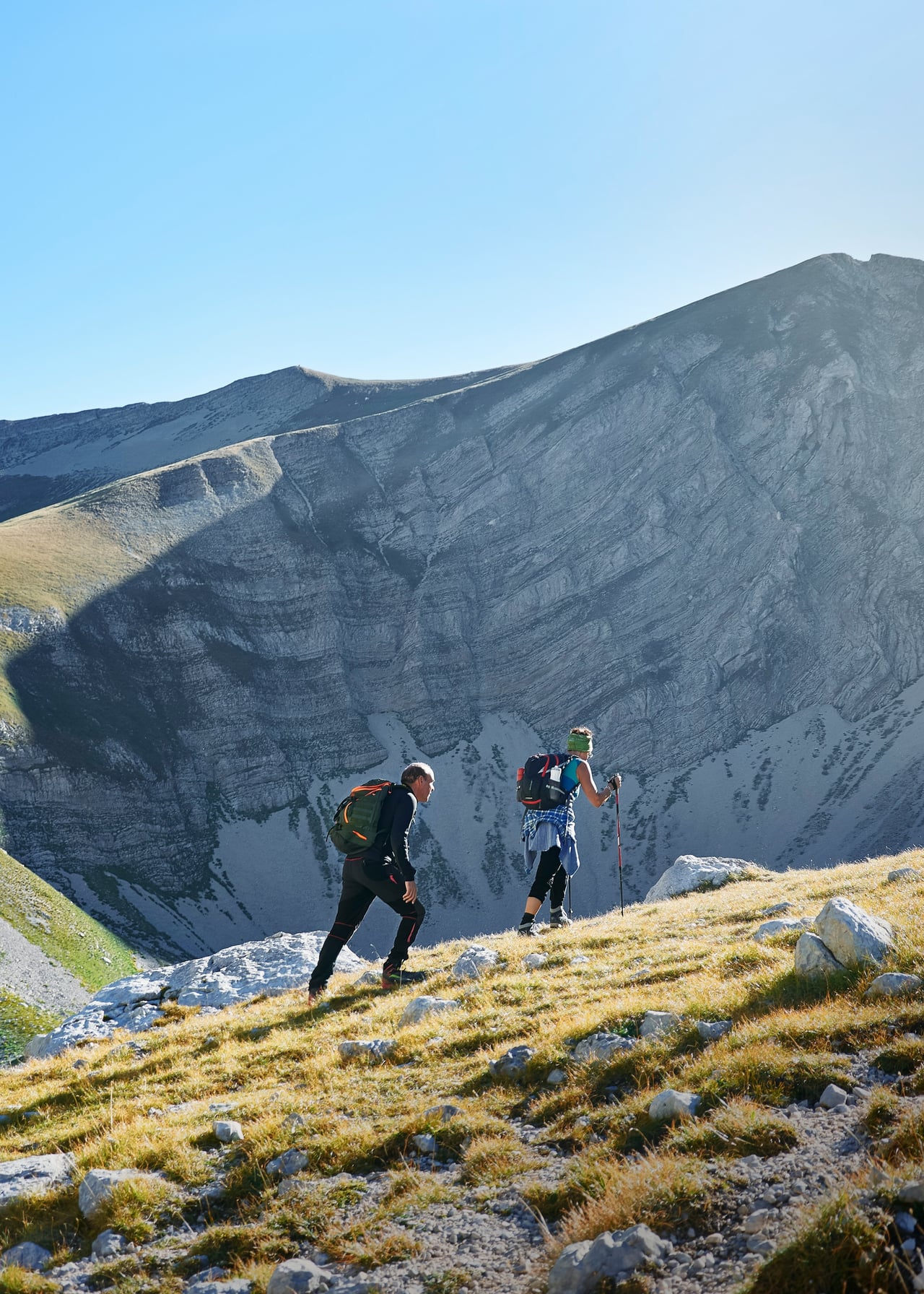
Walk The Camino De Santiago 🇪🇸

Steps:
Choose Your Route
The Camino has many paths and each one offers something different. The Camino Francés starting from Saint-Jean-Pied-de-Port is the most popular, about 800 km taking 30 to 35 days. The Camino Portugués from Lisbon or Porto is shorter and quieter. The Camino del Norte along the northern coast is stunning but more demanding. For your first Camino, the Francés gives you the fullest experience with the best infrastructure, the most pilgrims to walk with, and centuries of tradition under your feet.
Pick Your Window
The best months are April through June and September through October. July and August are hot and crowded. Winter is cold and many albergues close. Spring means wildflowers and mild weather but occasional rain. Fall brings harvest season, warm colors, and fewer people. Give yourself at least five weeks if walking the full Francés. Many people need rest days along the way.
Training Four Months Out
Your body needs time to adapt. Begin with daily walks of 5 to 8 kilometers. Every week add distance. By month two, aim for 15 km walks on weekends. By month three, do back to back long walks to simulate consecutive days on the trail. Always train with your actual backpack loaded to the weight you plan to carry. Break in your boots completely before you go. Your feet will thank you.
Get Your Gear Right
Keep your pack under 10% of your body weight. This is the most important rule. You need less than you think. Essentials include broken-in hiking boots or trail runners, a lightweight sleeping bag, two sets of walking clothes, rain gear, a small first aid kit, blister supplies, a headlamp, and toiletries. Leave the "just in case" items at home. You can buy almost anything you need along the way. Many pilgrims start too heavy and mail things home from the first big town.
Get Your Credential
The credential is your pilgrim passport. You collect stamps at albergues, churches, and cafés along the way. At the end, you need stamps proving you walked at least the last 100 km to receive the Compostela certificate. You can order a credential online before you leave or pick one up at the pilgrim office in Saint-Jean-Pied-de-Port on day one.
Book Only Your First Night
The albergue system works on a first come first served basis. Most pilgrims walk in and find a bed without reservations. Book your first night in Saint-Jean-Pied-de-Port so you have somewhere to land after traveling. After that, let each day unfold. This flexibility is part of the experience. If you need more certainty, private rooms and small hotels exist in every town and can be booked a day ahead.
Handle the Logistics
Fly into Paris, Bordeaux, or Biarritz then take a train or bus to Saint-Jean-Pied-de-Port. Fly home from Santiago, which has its own airport with connections through Madrid. Consider travel insurance that covers trip interruption. Tell your bank you will be in Spain and France. Bring a debit card for ATMs in towns along the way. Most albergues are cash only.
Walk Your First Week
The first days are the hardest. You cross the Pyrenees on day one, a serious climb. Your body is adjusting. Your pack feels heavy. Blisters are forming. This is when most people quit. Walk slowly. Start early to avoid afternoon heat. Stop and care for your feet at the first sign of hotspots. Eat enough. Sleep enough. Trust that it gets easier. By day seven your body starts adapting and the rhythm begins to feel natural.
Find Your Pace on the Meseta
After Burgos you enter the Meseta, the high flat plateau that stretches for days. Some people find it boring. Others find it meditative. The landscape is simple, the villages are far apart, and you are left with your thoughts. This is where the internal journey deepens. Walk in silence sometimes. Let the repetition work on you. The Meseta has a way of clearing things out.
Climb Into Galicia
The final region is green and lush and hilly. You are close now. The trail fills with pilgrims who started in Sarria to walk the minimum 100 km. The energy shifts. You will feel the pull toward Santiago. Savor these last days. Walk the final approach through the eucalyptus forests. Climb Monte do Gozo where pilgrims have caught their first glimpse of the cathedral spires for centuries.
Arrive in Santiago
Walk into the Plaza del Obradoiro and let it hit you. Stand in front of the cathedral. You made it. Attend the pilgrim mass if that feels right to you. Visit the pilgrim office to receive your Compostela certificate. Find the other pilgrims you walked with and celebrate together. Give yourself at least one full day in Santiago before traveling home. You need time to land.
Walk to Finisterre
If you have three more days, continue walking west to Finisterre, the "end of the world." This was the edge of the known world for ancient people. Many pilgrims walk here to complete the journey at the ocean. Watch the sunset from the lighthouse. Burn something symbolic if that tradition speaks to you. This extension adds a powerful closing to the experience.
Opportunity costs:
Wellness:
Notes:
🦶 Your feet are everything. Bring good blister supplies including Compeed, needle and thread, alcohol wipes, and zinc oxide tape. Learn how to drain and treat blisters before you go. Care for hotspots immediately, not later.
🎒 Weigh your pack before you leave. Then remove three things. Seriously. Heavy packs destroy knees, create blisters, and make every day harder. You will see abandoned gear in donation bins at every albergue.
🌅 Start walking early. Many pilgrims leave by 6 or 7 am, especially in warmer months. You finish before the heat peaks, you get first choice of beds, and the morning light is beautiful.
🍽️ Eat the pilgrim menus. Restaurants along the way offer fixed price meals for pilgrims, usually three courses with wine for 10 to 12 euros. The food is simple and filling. You need the calories.
💬 Learn some basic Spanish. Hola, gracias, por favor, una cama por favor, la cuenta. A little effort goes a long way. Locals appreciate it and many older hospitaleros speak no English.
🛏️ Understand albergue etiquette. Be quiet after 10 pm. Use your headlamp not the overhead lights. Pack your bag the night before so you are not rustling plastic at 5 am. Respect the shared space.
📱 The Camino apps are helpful. Buen Camino and Wise Pilgrim show distances, elevation, and services. Do not over-plan though. Part of the magic is letting days unfold without a rigid schedule.
👥 Walk your own Camino. Some days you will want company. Some days you will want silence. Both are right. Do not feel pressure to walk with the same people every day or to match anyone else's pace.
🌧️ Rain happens. Pack a good poncho that covers your backpack. Keep electronics and documents in waterproof bags. Wet feet lead to blisters, so have a system for drying boots overnight.
🧘 Let the Camino work on you. Many people arrive with a question or intention. You do not need one. The walking itself does something. Trust the process. What needs to surface will surface.
192
JOINEDTHE CHALLENGE
277
ADDEDTO FAVORITES
SHARE CHALLENGE